The Function of CNC Machining Services in Modern Production and Engineering Solutions
CNC machining solutions have come to be crucial in modern-day manufacturing and design. They offer precision and effectiveness, making it possible for the development of complicated components with marginal human oversight. This innovation not only decreases manufacturing time and costs but additionally deals with the enhancing needs of various industries. As innovation evolves, the landscape of CNC machining is established to change even more - cnc turning service. The implications of these advancements warrant closer exam
Understanding CNC Machining: A Review
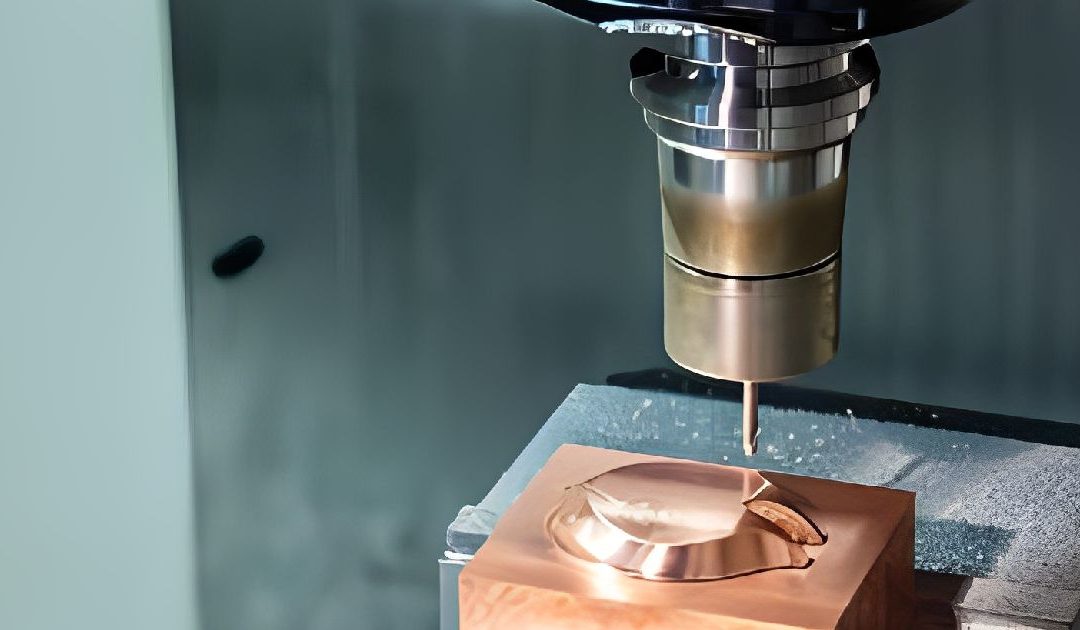
CNC machining, a keystone of modern-day production, entails the usage of computer-controlled tools to exactly cut and form materials. This modern technology incorporates sophisticated software application and equipment to automate the production procedure, ensuring high accuracy and performance. CNC, which stands for Computer system Numerical Control, allows operators to input in-depth requirements that guide the machine in implementing complicated layouts.
Various materials, including wood, steel, and plastic, can be machined, making CNC functional across various industries. The process starts with a digital model, normally developed using CAD software, which is converted into machine language for implementation.
CNC machining includes several techniques, such as milling, turning, and boring, each fit for particular applications. The fostering of CNC modern technology has changed manufacturing capacities, enabling manufacturers to produce detailed get rid of minimal human intervention. Because of this, it has come to be an essential component in fields varying from aerospace to automobile.
Advantages of CNC Machining in Production
CNC machining supplies considerable advantages in production, particularly with respect to accuracy and precision, which improves item top quality. In addition, it is economical, enabling for reduced manufacturing expenses while maintaining high requirements. Its flexibility in handling different materials additionally emphasizes its worth in modern production procedures.
Precision and Accuracy
In modern-day manufacturing, precision and accuracy are vital, and advanced machining techniques play a necessary role in attaining these objectives. CNC machining solutions give unmatched uniformity in manufacturing, permitting manufacturers to create intricate get rid of specific specs. By using computer mathematical control, these devices eliminate human error, making certain that each part fulfills stringent tolerances. The repeatability of CNC machining makes it possible for businesses to create big amounts of the same items without compromising quality. Advanced software program made use of in CNC procedures allows for fast modifications and elaborate styles, boosting adaptability in the manufacturing procedure. Ultimately, the accuracy and accuracy offered by CNC machining greatly add to enhanced product dependability and efficiency, promoting advancement and fulfilling the ever-evolving needs of various industries.
Cost-Effectiveness
Cost-effectiveness sticks out as a considerable advantage of CNC machining in the production sector. By automating the machining procedure, firms can decrease labor prices and minimize human error, which causes greater performance. CNC makers run continuously and can produce parts at a faster rate than traditional methods, inevitably reducing production costs. Additionally, the precision provided by CNC machining minimizes material waste, ensuring that sources are used efficiently. Consequently, services can attain higher profit margins while keeping top notch standards. Additionally, the ability to create complicated layouts with minimal configuration time further improves cost effectiveness. Generally, CNC machining provides a compelling solution for suppliers looking for to enhance their operations and continue to be affordable in a requiring market.
Adaptability in Materials
Versatility in products is a trademark of modern CNC machining, allowing suppliers to work with a wide selection of materials, consisting of metals, plastics, wood, and compounds. This ability makes it possible for the production of varied elements tailored to details application demands. Light weight aluminum and stainless steel can be machined for robust commercial parts, while plastics are optimal for corrosion-resistant and light-weight applications. Wood machining satisfies the furnishings and ornamental industries, while compounds supply strength-to-weight advantages in aerospace and automotive markets. The capability to switch between products without substantial reconfiguration boosts process performance and lowers lead times. Ultimately, this convenience empowers makers to innovate and satisfy advancing market demands, strengthening CNC machining's duty as a foundation of modern design options.
Key Industries Benefiting From CNC Machining Solutions
CNC machining solutions play a necessary duty in numerous essential markets, specifically aerospace and defense, as well as vehicle part manufacturing. These industries depend on the precision and performance of CNC technology to meet rigid quality and safety requirements. The capability to generate complicated get rid of limited tolerances positions CNC machining as a vital device in contemporary manufacturing.
Aerospace and Protection Applications
In the high-stakes domain name of aerospace and precision, reliability and defense are critical, making CNC machining solutions crucial. These solutions make it possible for the manufacturing of detailed parts with exacting resistances, necessary for airplane, satellites, and army tools. CNC machining promotes the production of light-weight yet robust parts, frequently utilizing advanced materials such as titanium and carbon fiber. The ability to swiftly model and manufacture elements accelerates the development cycle, making certain that critical systems are both reliable and effective. Moreover, CNC technology boosts repeatability, minimizing the risk of human mistake and making sure consistent quality throughout big production runs. As the aerospace and defense industries increasingly take on automation, CNC machining services will certainly remain to play a pivotal function in meeting rigid operational needs and regulatory criteria.
Automotive Element Manufacturing
The automobile sector, similar to aerospace and defense, depends greatly on accuracy engineering to fulfill the needs of modern-day manufacturing. CNC machining services play a vital duty in generating high-grade vehicle elements, such as engine parts, transmission real estates, and personalized installations. These solutions enable producers to accomplish tight resistances and intricate geometries, vital for boosting lorry performance and safety and security. The capacity to rapidly adjust layouts and produce prototypes with CNC machining increases innovation within the industry. Furthermore, the scalability of CNC machining permits for both tiny set production and massive production, catering to diverse market needs. As self-governing and electrical lorries gain grip, the reliance on CNC machining is positioned to expand, further strengthening its importance in automotive component production.
The CNC Machining Process: From Design to Manufacturing
Transforming a digital layout into a tangible product involves a collection of specific action in the CNC machining process. Designers use computer-aided design (CAD) software to develop an in-depth digital version of the preferred component. This model is after that transformed into a layout compatible with CNC equipments, normally through computer-aided production (WEBCAM) software application. The CNC machine analyzes this data to guide its procedures.
Once the layout is prepared, the selected product is protected in the CNC maker. The machining procedure starts, entailing various techniques such as milling, transforming, and exploration, where tools get rid of material to shape the component according to specs. Throughout production, the device continually readjusts and keeps track of for accuracy, guaranteeing the last item meets the layout standards.
After machining, components go through completing processes such as sanding or finish to boost functionality and visual appeals. This organized method assurances that top notch parts are produced effectively and properly.
Innovations and Patterns in CNC Machining Technology
As improvements in technology remain to shape the production landscape, CNC machining is experiencing substantial innovations that enhance efficiency and precision. One popular trend is the integration of expert system and machine understanding, making it possible for adaptive machining processes that optimize tool paths and decrease cycle times. Furthermore, the adoption of sophisticated materials, such as compounds and lightweight alloys, cnc turning service expands the capabilities of CNC machines, enabling the production of intricate geometries with better strength-to-weight proportions.
Cloud computer and IoT (Net of Things) technologies facilitate real-time surveillance and information analysis, leading to anticipating upkeep and decreasing downtime. Automation with robotics is likewise becoming increasingly widespread, enhancing process and improving security in production settings. Ultimately, the increase of 5-axis machining offers exceptional flexibility and accuracy, making it possible for the development of detailed components in a single arrangement. These developments jointly place CNC machining at the leading edge of modern production services.

Future Overview: The Advancing Role of CNC Machining in Engineering Solutions
CNC machining is poised to play a progressively essential duty in design solutions as markets accept sophisticated modern technologies and advancing market demands. As automation and wise manufacturing gain traction, CNC machining services are expected to incorporate with Internet of Points (IoT) tools and expert system (AI) to improve precision and performance. This assimilation will permit real-time tracking and predictive maintenance, lowering downtime and boosting manufacturing efficiency.
The surge of tailored production will certainly require more flexible CNC systems qualified of adjusting to little batch production with rapid turn-around times. Sustainability worries will also drive developments in CNC machining, prompting the development of environment-friendly materials and processes.
Inevitably, CNC machining will certainly remain to evolve, dealing with the intricacies of contemporary engineering challenges while giving scalable and cost-efficient solutions that fulfill the diverse needs of sectors varying from aerospace to health care.
Frequently Asked Inquiries
What Materials Can CNC Machining Deal With?
CNC machining can deal with a variety of materials, consisting of metals like titanium, aluminum, and steel, in addition to plastics such as acrylic and nylon. Additionally, wood and composites are additionally appropriate for CNC machining processes.
Just how Do I Choose a CNC Machining Provider?
When selecting a CNC machining service copyright, one ought to consider their experience, devices quality, product abilities, customer evaluations, turn-around times, and pricing. A thorough contrast guarantees the selected copyright fulfills specific task needs successfully.
What Is the Typical Turnaround Time for CNC Machining Projects?
Normal turn-around times for CNC machining projects differ, often ranging from a few days to numerous weeks, depending upon project intricacy, product availability, and the provider's workload. Timelines ought to be verified directly with the chosen copyright.
Exist Minimum Order Quantities for CNC Machining Solutions?
How Does CNC Machining Ensure Precision and Precision in Manufacturing?
CNC machining assurances precision and precision via computer-controlled operations, which decrease human error. Advanced software and high-grade machinery assist in specific measurements, constant duplication, and complex styles, resulting in premium components that meet rigorous specs and resistances.
CNC machining, a foundation of modern-day manufacturing, entails the use of computer-controlled devices to exactly reduce and shape products. CNC machining solutions supply exceptional uniformity in manufacturing, allowing makers to develop complex parts with precise specifications. CNC machining solutions play a vital duty in various essential markets, specifically aerospace and defense, as well as automobile component manufacturing. In addition, the scalability of CNC machining allows for both tiny batch manufacturing and large manufacturing, catering to varied market requirements. As automation and smart manufacturing gain traction, CNC machining services are expected to incorporate with Web of Things (IoT) gadgets and synthetic intelligence (AI) to boost accuracy and performance.